DIY Guide: Caring for Your New Air Purifying Plants


Introduction to Air Purifying Plants
Bringing air purifying plants into your home is a wonderful way to enhance indoor air quality and add a touch of nature to your space. These plants not only beautify your home but also help in removing toxins from the air, making it fresher and healthier to breathe. Here's a comprehensive guide on how to care for your new green companions.
Choosing the Right Location
The first step in caring for your air purifying plants is selecting the right location. Most of these plants thrive in bright, indirect sunlight. Avoid placing them in direct sunlight, which can scorch their leaves. If your space is low on natural light, consider using grow lights to supplement their needs.
Temperature and Humidity
Most air purifying plants prefer a warm environment with temperatures between 65-75°F (18-24°C). They also enjoy higher humidity levels, which you can achieve by misting the leaves regularly or placing a small humidifier nearby.
Watering Your Plants
Watering is crucial for plant health, but it's important not to overdo it. Overwatering is a common mistake that can lead to root rot. Allow the top inch of soil to dry out before watering again. Ensure that the pot has drainage holes to prevent water from accumulating at the bottom.

Feeding and Fertilizing
Air purifying plants generally require minimal feeding. During the growing season, which is typically spring and summer, you can feed them every 4-6 weeks with a balanced, water-soluble fertilizer. Reduce feeding during the fall and winter months when the plants are in a dormant state.
Pruning and Maintenance
Regular pruning helps keep your plants healthy and encourages new growth. Remove any yellowing or dead leaves to prevent pests and diseases. Pruning also helps maintain the plant's shape, ensuring it looks its best.

Repotting Your Plants
As your plants grow, they may outgrow their pots. Repotting is essential to provide them with more space and fresh soil. Look for signs like roots growing out of drainage holes or stunted growth. When repotting, choose a pot slightly larger than the current one and use high-quality potting soil.
Common Pests and Problems
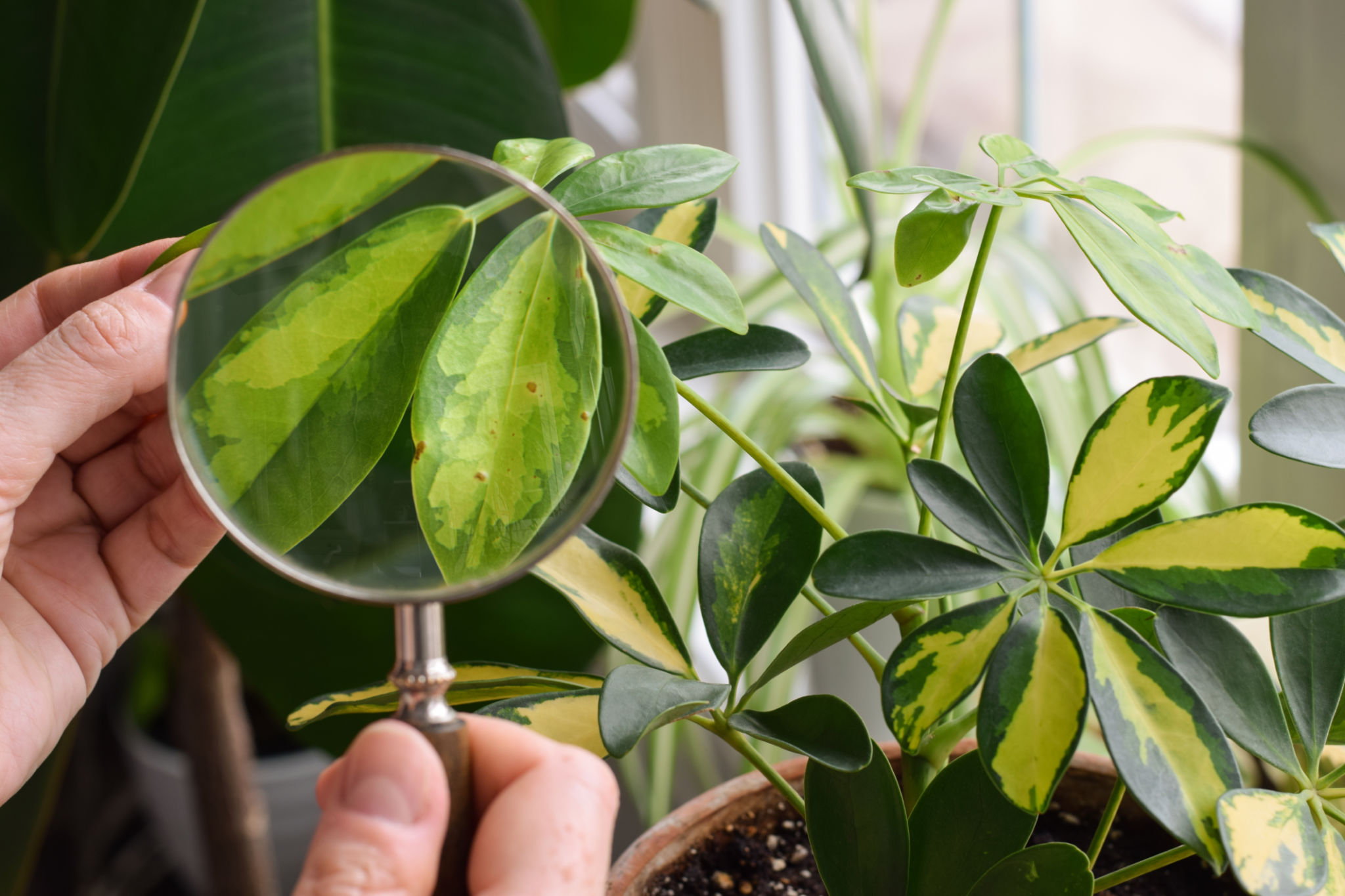
While air purifying plants are generally hardy, they can still fall prey to pests like spider mites, aphids, and mealybugs. Regularly inspect your plants for signs of infestation and treat them promptly with insecticidal soap or neem oil.
Yellowing leaves can indicate various issues, such as overwatering, nutrient deficiencies, or inadequate light. Adjust your care routine as needed to resolve these problems.
Conclusion
With proper care and attention, air purifying plants can thrive in your home, providing you with cleaner air and a serene environment. Remember to tailor your care routine to each plant's specific needs, and enjoy the benefits they bring to your living space.