DIY Care Tips for Thriving Air Purifying Plants


The Benefits of Air Purifying Plants
Air purifying plants are not just aesthetically pleasing; they also offer a range of health benefits. These plants can improve air quality by removing toxins and releasing oxygen, making your home a healthier place to live. Adding a few of these green companions to your space can help reduce stress and enhance your mood.

Choosing the Right Plants
Selecting the right air purifying plants for your home is crucial. Some popular choices include the Peace Lily, Snake Plant, and Spider Plant. Consider factors like light availability, humidity, and your ability to care for them when choosing your plants. Each plant has its unique needs, so understanding these will ensure they thrive.
Here are some tips for selecting the right plant:
- Light Requirements: Ensure you know whether your plant needs direct sunlight or can thrive in low-light conditions.
- Water Needs: Overwatering is a common mistake. Research how much water your chosen plant requires.
- Space Considerations: Some plants grow larger than others, so make sure you have enough space.
Basic Care Tips
Proper care is essential for the health of your air purifying plants. Here are some basic tips to follow:
- Watering: Most indoor plants prefer to dry out a bit between waterings. Check the soil moisture level with your finger before watering.
- Lighting: Place your plants in areas where they'll receive the appropriate amount of light based on their needs.
- Humidity: Many air purifying plants enjoy a humid environment. Consider misting them regularly or placing a small humidifier nearby.

Soil and Fertilization
Using the right soil mix is vital for plant health. Most air purifying plants prefer well-draining soil. You can create your own mix by combining potting soil with perlite or sand. Fertilizing your plants every few months can also promote growth and enhance their purifying abilities. Use a balanced, water-soluble fertilizer for best results.
Repotting and Maintenance
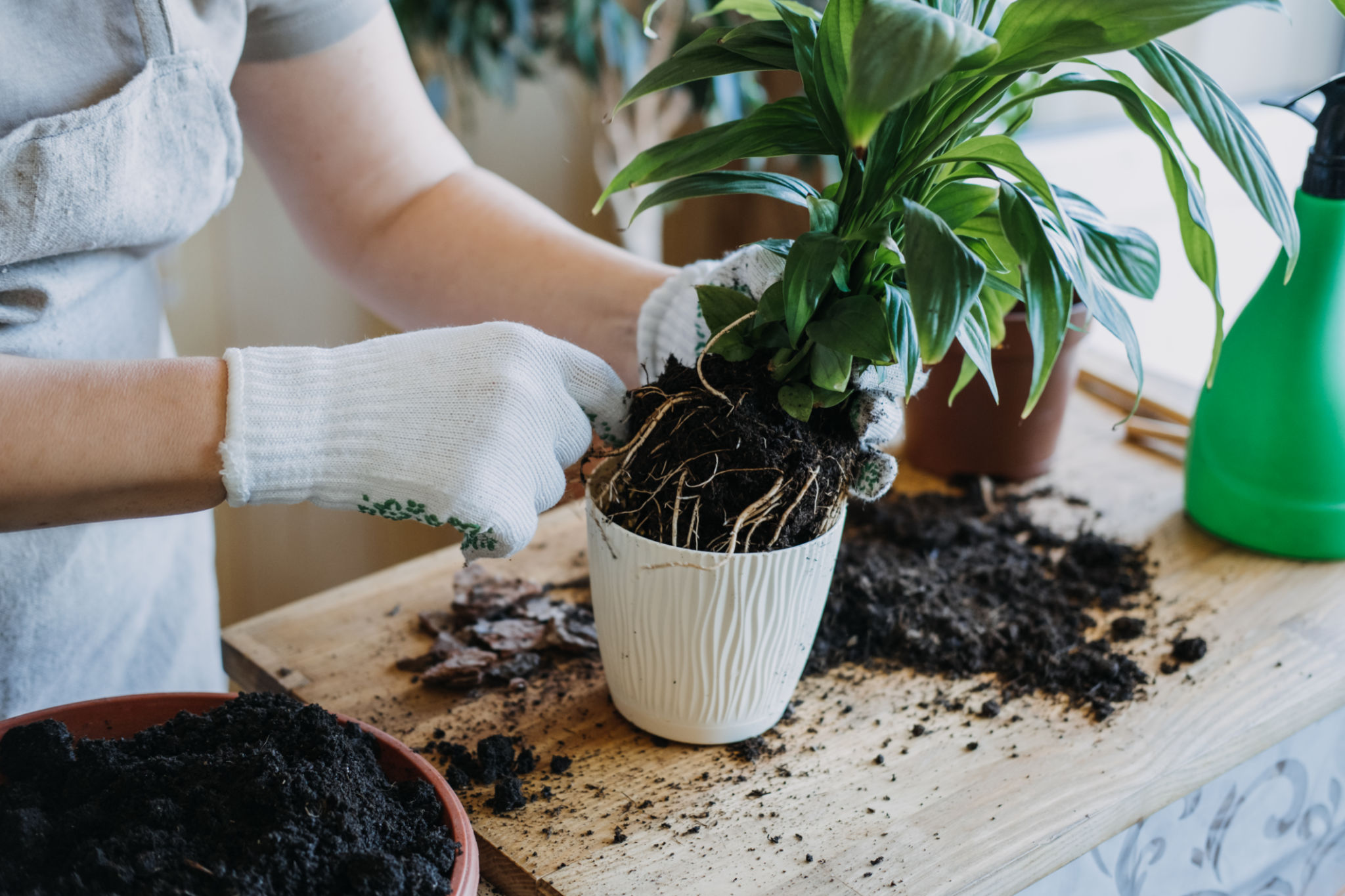
Repotting your plants every couple of years helps them grow and stay healthy. Choose a pot that's slightly larger than the current one and ensure it has drainage holes. Regular maintenance, such as removing dead leaves and wiping dust from the leaves, will keep your plants looking their best.
Dealing with Common Issues
Even with the best care, you might encounter some common plant problems. Yellowing leaves can indicate overwatering or poor lighting, while brown tips may suggest a lack of humidity. Pest infestations can be managed with natural solutions like neem oil or insecticidal soap.
Remember, patience and observation are key. The more you learn about your plants, the better you'll be at meeting their needs and ensuring they thrive in your home.