DIY Air-Purifying Plant Care: Tips and Tricks


The Benefits of Air-Purifying Plants
Many people are turning to air-purifying plants to improve the air quality in their homes. These plants not only add a touch of nature to your living space but also help remove toxins and pollutants from the air. Incorporating these plants can lead to a healthier and more refreshing atmosphere.
Indoor air pollution can come from various sources, including household cleaning products, paint, and even the materials used in furniture. By choosing the right plants, you can combat these pollutants effectively and naturally.
Choosing the Right Plants
Selecting the right air-purifying plants is crucial for effective air filtration. Some popular options include:
- Spider Plant: Known for its ability to remove formaldehyde and xylene.
- Peace Lily: Excellent at removing ammonia, benzene, and formaldehyde.
- Snake Plant: Effective in filtering out formaldehyde, xylene, and toluene.
These plants are not only efficient air purifiers but are also easy to care for, making them ideal for both beginners and experienced plant owners.
Essential Plant Care Tips
Proper care is essential to ensure your air-purifying plants thrive. Here are some essential tips:
- Light: Most air-purifying plants prefer indirect sunlight. Place them near windows where they can receive filtered light.
- Water: Overwatering is a common mistake. Check the soil moisture before watering and ensure proper drainage.
- Humidity: Many of these plants thrive in humid environments, so consider misting them or placing a humidifier nearby.

DIY Plant Care Solutions
Creating your own plant care solutions can be both fun and effective. For instance, you can make a simple fertilizer using kitchen scraps like banana peels or eggshells. These natural fertilizers provide essential nutrients that help your plants grow strong and healthy.
Another tip is to use diluted vinegar as a natural pest deterrent. This can help keep your plants free from harmful insects without the need for harsh chemicals.
Creating a Plant-Friendly Environment
To maximize the benefits of your air-purifying plants, create an environment where they can thrive. This includes ensuring adequate airflow and maintaining consistent temperatures. Most houseplants prefer temperatures between 60-75°F (15-24°C).
Grouping plants together can also create a microclimate that enhances humidity, benefiting plants that require more moisture.

Monitoring Plant Health
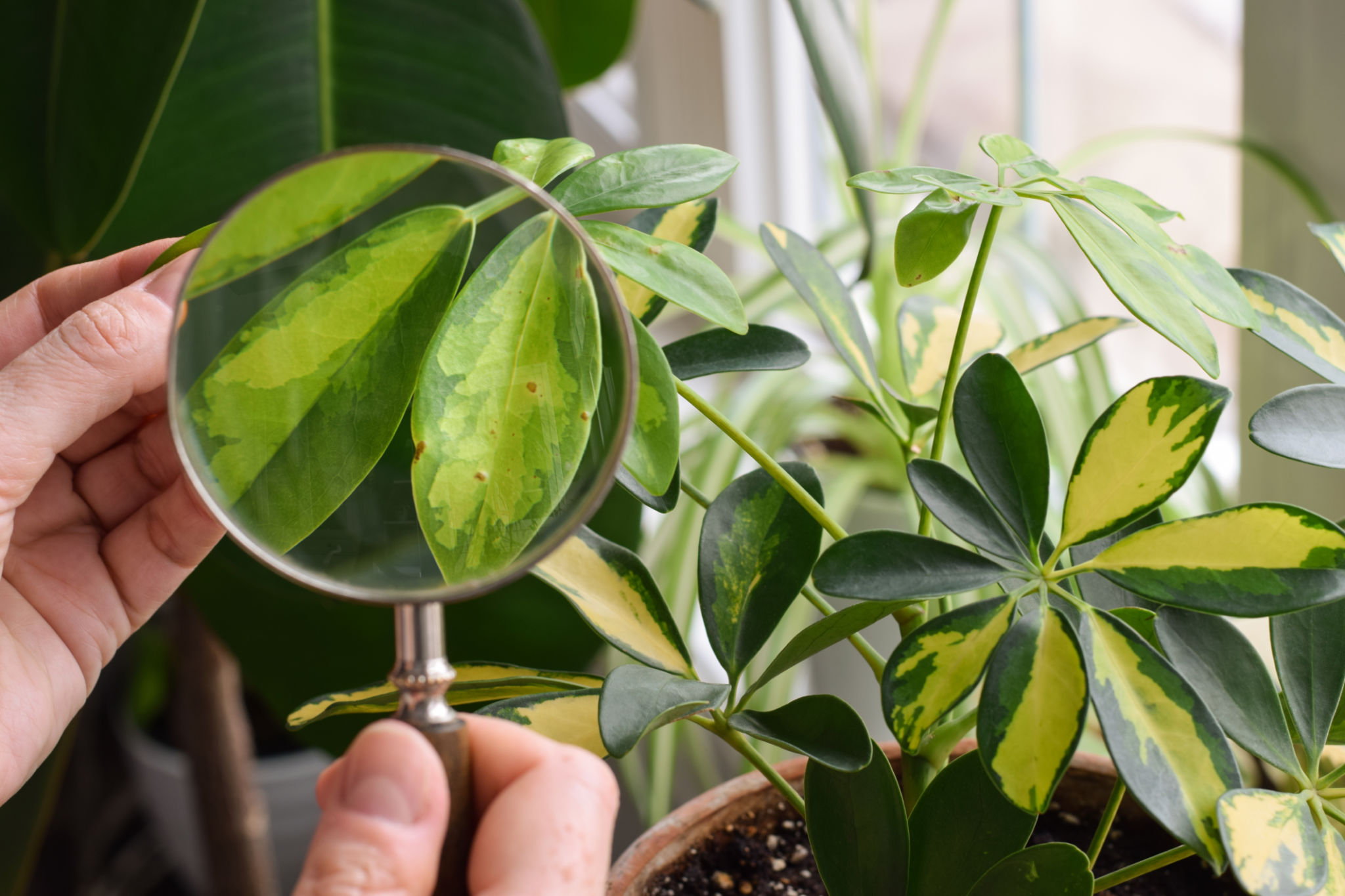
Regularly check your plants for signs of distress, such as yellowing leaves or stunted growth. These can be indicators of incorrect watering, lighting, or pest issues. Addressing these problems promptly can prevent further damage and ensure your plants remain healthy.
Consider keeping a plant diary to track your care routines and any changes in your plants' health. This can help you adjust your care strategies as needed.
Conclusion
Air-purifying plants are a wonderful addition to any home, offering both aesthetic beauty and health benefits. By following these care tips and tricks, you can ensure that your plants thrive and continue to purify the air in your living space. Embrace the world of DIY plant care, and enjoy the myriad benefits these green companions bring.